
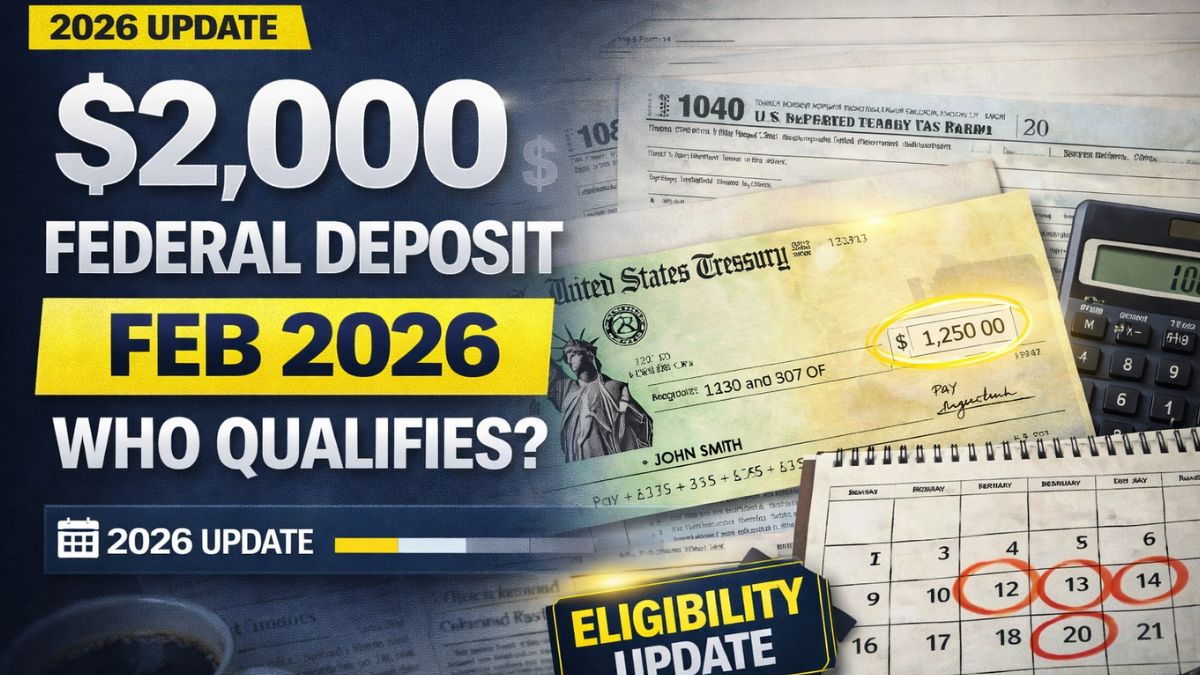
Reports about a possible $2,000 federal direct deposit in February 2026 have attracted strong public attention. Many families are hoping that such a payment could help manage rising living expenses, including food, housing, and utilities. At the same time, it is important to understand that discussions about a payment do not automatically mean that every person will receive money or that a program is officially approved. Federal payments follow legal and administrative rules, and eligibility is usually limited by income, filing status, and benefit records.
Understanding how a potential payment program would work helps households avoid confusion and avoid making financial decisions based only on rumors. Clear information about eligibility, timing, and verification steps is the best protection against disappointment and scams.
Why Payment Rumors Spread Quickly
Whenever the cost of living increases, news or rumors about government payments spread very fast. Social media posts and blog articles often repeat unverified claims and present them as confirmed facts. This creates hope but also confusion. In past years, similar situations happened around stimulus checks and special credits, where many people expected money that was never officially approved.

Federal payments at a national scale require formal approval through law and agency guidance. Without official announcements and published rules, no payment should be treated as guaranteed. It is always safer to wait for verified government releases before assuming that funds will arrive.
Who May Qualify If a $2,000 Payment Program Is Approved
If a $2,000 federal direct deposit program were officially authorized, eligibility would likely be based on financial and identity records already held by federal agencies. Income level would probably be one of the main deciding factors. Low- and moderate-income households are typically prioritized in relief-style programs, while higher-income earners may receive reduced amounts or no payment.
Recent tax filing history would also play a major role. Individuals who filed recent federal tax returns are easier for agencies to review and verify. People who receive ongoing federal benefits, such as retirement or disability payments, may also be identified through benefit databases.

Household size could affect the final amount in some program designs. Dependents sometimes increase payment totals, though exact rules would depend on the authorizing law. Until formal guidance exists, exact qualification rules cannot be confirmed.
How Eligibility Would Likely Be Verified
In most modern payment programs, agencies do not ask everyone to submit a new application. Instead, they use existing records. Tax return data, benefit enrollment files, and identity records are matched electronically. This reduces paperwork and speeds up distribution.
Because of this system, keeping your tax and benefit records current is very important. Correct names, identification numbers, addresses, and banking details help prevent processing errors. Outdated or mismatched information is one of the most common causes of delayed or rejected payments.

Verification systems also include fraud filters. If identity questions appear, agencies usually send an official letter or secure portal message asking for confirmation before releasing funds.
Expected February 2026 Distribution Timing
If such a payment were approved, distribution would likely happen in phases across February rather than on a single day. Large payment programs are normally released in batches to manage system load and security checks.
People already set up with electronic direct deposit would likely receive funds earlier than those without banking details on file. Electronic transfers are faster and require less manual handling. Recipients without direct deposit arrangements might receive mailed checks or prepaid debit cards later in the cycle.
यह भी पढ़े:
 IRS $2000 February 2026 Direct Deposit Claims: What to Know About the So-Called Tariff Rebate Plan
Bank processing times can also affect when money appears in an account. Even after a payment is issued, some banks take extra time to post deposits.
How to Reduce the Risk of Payment Delays
The most effective way to prevent delays in any federal payment program is to keep records accurate. Recent tax returns should be filed correctly with matching identity details. Bank routing and account numbers should be reviewed carefully when submitted through official portals.
Mailing addresses should also be current. Many verification letters and notices are still sent by mail. If a letter goes to an old address, response time increases and payments can be held longer.
यह भी पढ़े:
 IRS February 2026 Refund Timeline: Estimated Dates, Processing Speed, and Status Updates Explained
Security awareness is equally important. Government agencies do not charge release fees for payments and do not ask for passwords or PINs by phone or email. Any such request should be treated as suspicious.
How to Check Payment Status Safely
If a real payment program is active, official tracking tools are normally provided. These are hosted on government websites and require identity details to log in securely. Status messages typically show whether a payment is scheduled, issued, or completed.
Bank account monitoring is also useful. Federal payments usually appear with a treasury-related description, though the exact label varies by bank. Matching the bank deposit with an official portal record provides stronger confirmation than relying on the bank label alone.

Unofficial websites that promise faster status updates should be avoided because they do not have access to internal government systems.
Planning Carefully Around Expected Payments
Even when a payment program is being discussed, financial planning should stay conservative. Households should avoid making spending commitments based only on expected government deposits. It is safer to treat any unconfirmed payment as uncertain until it appears in an official account record.
If funds do arrive, they can be directed toward priority needs such as housing, utilities, medical costs, or debt reduction. Careful use of one-time payments tends to provide longer-term benefit than quick spending.
यह भी पढ़े:
 February 2026 Social Security and SSI Payment Dates Confirmed: Full Deposit Calendar Explained
Past federal programs show that people who kept records organized and followed official instructions experienced fewer problems and faster access to funds.
Staying Grounded in Verified Information
The key message for families is to rely on verified sources. Official government websites, formal press releases, and secure account portals provide trustworthy updates. Viral posts and forwarded messages often mix speculation with facts.
Understanding how eligibility rules, verification checks, and phased payments usually work helps people stay calm and realistic. Good information reduces stress and protects against fraud.

Disclaimer
This article is for general informational purposes only. Any $2,000 federal direct deposit program for February 2026 would depend on official legislation, agency approval, and individual eligibility records. Payment amounts, qualification rules, and timelines are determined only by authorized government guidance. Readers should rely on verified government sources and consult qualified tax or financial professionals for advice specific to their situation.

