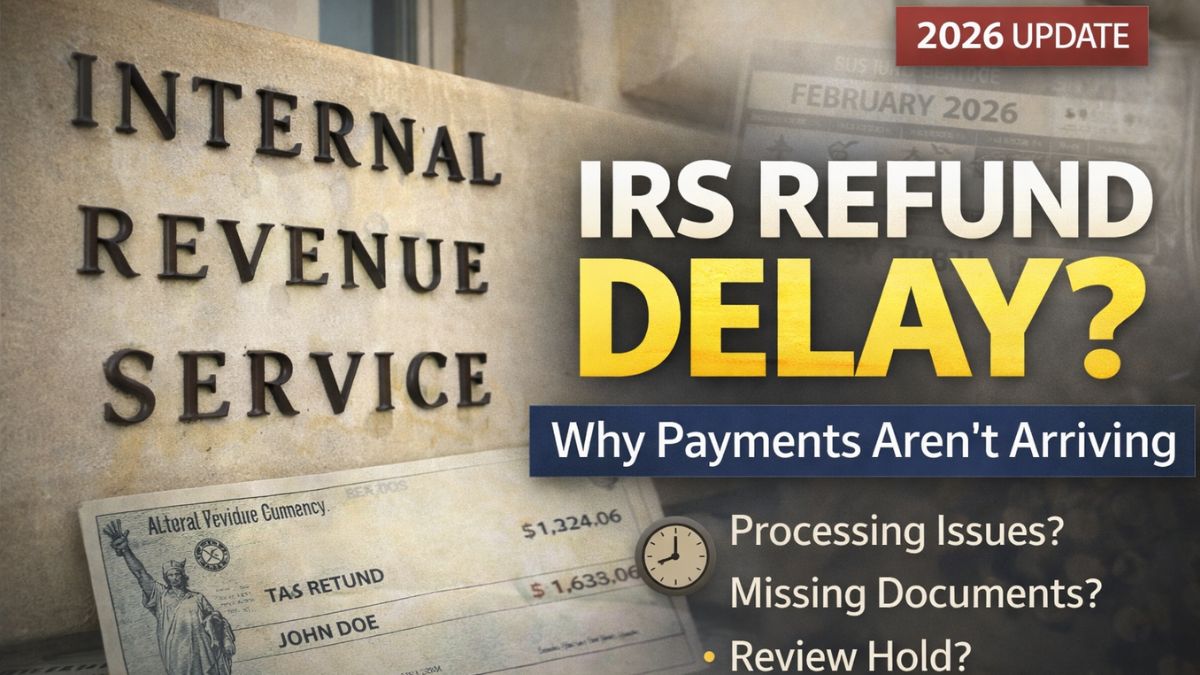
Many taxpayers expect their income tax refund to arrive within a predictable time after filing. In most years, people who file electronically and choose direct deposit often receive refunds within a few weeks. However, this year some filers may experience longer waiting times. Several operational and policy-related issues are affecting how quickly refunds are being processed and released. Understanding these factors can help reduce confusion and set more realistic expectations.
Refund timing depends on more than just when you file your return. It also depends on how the return is processed, whether extra verification is required, and how much workload the tax agency is handling at the time. When pressure builds inside the system, delays become more common even for correctly filed returns.
Impact of Government Disruptions on Refund Processing
One important reason for slower refunds is the effect of recent government disruptions and shutdown-related slowdowns. When a shutdown or funding gap happens, many government employees are temporarily furloughed. Even when essential workers continue their duties, overall productivity drops because fewer people are available to handle the full workload.

During the last shutdown period, only a portion of tax-season staff continued working. Although key filing roles were kept active, a large share of employees across departments were not available. Work that could not be completed during that period did not disappear. Instead, it moved forward into the next processing cycle. That carryover adds pressure to the current filing season and can slow down return handling and refund approval.
When backlogs build up, even simple returns may sit in queues longer than usual before review and release.
How Staffing Reductions Affect IRS Operations
Another major factor behind refund delays is staffing reduction across many departments. Reports show that the workforce size dropped significantly over the past year. Fewer employees means fewer people reviewing returns, answering notices, handling identity checks, and resolving flagged cases.

Staff cuts did not affect only one office. Reductions happened across multiple operational areas, including taxpayer support, case management, appeals, compliance, and small business processing units. When support divisions shrink, tasks that require manual review take longer to complete.
Even automated systems depend on human oversight when a return is flagged for any reason. With fewer trained staff available, those flagged returns move more slowly through the system. That delay directly affects when refunds are approved and paid.
New Tax Credit Rules Can Slow Refund Release
Changes to certain tax credits can also cause refund timing differences. Credits aimed at supporting working families and households with children often come with strict verification rules. When laws adjust how these credits are calculated or verified, processing systems must apply additional checks.

Returns that include earned income-based credits or child-related credits are more likely to be reviewed carefully. Extra review steps help prevent fraud and incorrect payments, but they also extend processing time. Even when a claim is valid, the system may hold the refund until verification is complete.
If you claimed credits tied to income level or dependent status, your refund may arrive later than someone with a simple return and no credit claims.
Common Return Issues That Trigger Delays
Refunds are often delayed when a return needs correction or verification. Errors in math, missing information, or mismatched identification numbers are frequent causes. When the system detects a possible problem, it pauses automatic processing and routes the return for review.

Identity verification is another common delay trigger. If the system suspects possible identity theft or duplicate filing, it may request confirmation before releasing funds. This step protects taxpayers but adds extra time.
Adjustments to child-related credits or rebate-related amounts can also slow processing. If figures reported on the return do not match agency records, the refund may be recalculated before approval. That recalculation requires manual or semi-manual review.
Some joint filers submit special allocation forms when one spouse has certain debts. These cases also take longer because they require separate evaluation before refund distribution.
यह भी पढ़े:
 IRS $2000 February 2026 Direct Deposit Claims: What to Know About the So-Called Tariff Rebate Plan
Banking and Payment Timing Factors
Even after a refund is approved, the money does not always appear instantly in a bank account. Financial institutions have their own posting schedules and security checks. Some banks show pending deposits early, while others wait until full settlement.
If a bank account number is incorrect or the account is closed, the deposit is rejected and returned. The tax agency must then issue a paper check instead. That conversion adds mailing and handling time.
Credit unions and smaller banks sometimes take an extra day or two to post government deposits compared to large national banks. This difference can make taxpayers think the refund is late when it is simply still in transit between systems.
यह भी पढ़े:
 IRS February 2026 Refund Timeline: Estimated Dates, Processing Speed, and Status Updates Explained
How to Check Your Refund Status
Taxpayers do not need to guess about their refund progress. Official tracking tools are available to show the current stage of processing. These systems typically display whether a return has been received, whether the refund is approved, and whether the payment has been sent.
Status tools update regularly but not instantly after every internal step. Checking once per day is usually enough. Entering the correct Social Security number, filing status, and expected refund amount is necessary for the tracker to show results.
State refunds are tracked separately from federal refunds. For example, New Jersey taxpayers must use the state treasury’s refund tracker for state returns, while federal refunds are tracked through the federal system. Mixing the two can lead to confusion about status.

What You Should Do If Your Refund Is Taking Longer
If your refund is delayed beyond the normal window, first review your filed return copy. Make sure all details were correct and complete. Next, check the official refund tracking tool to see whether the return is still being processed or if action is required.
If the system requests identity verification or sends a notice, respond promptly using official instructions. Delayed responses extend delays further. Avoid calling support lines too early, because representatives often cannot speed up processing unless the return has exceeded the standard timeframe.
Keeping records of filing confirmations, notices, and bank details helps if follow-up becomes necessary. Organized information makes problem resolution faster.
यह भी पढ़े:
 February 2026 Social Security and SSI Payment Dates Confirmed: Full Deposit Calendar Explained
Setting Realistic Expectations This Season
This filing season includes several pressure points: leftover backlog from earlier disruptions, workforce reductions, and tighter credit verification rules. Together, these factors mean some refunds will take longer than in smoother years.
Filing early, filing electronically, and using direct deposit still provide the best chance for faster payment. Accuracy and complete information matter just as much as speed of filing. While delays are frustrating, most are resolved through normal review steps rather than serious problems.
Disclaimer
This article is for general informational purposes only. Processing times, staffing levels, tax credit rules, and refund procedures can change based on official government decisions and individual return details. Refund timing varies by case. Always rely on official tax agency tools and communications for the most accurate and current status of your refund.